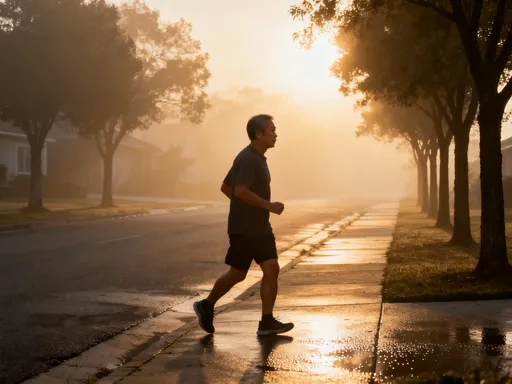
Why Exercise Is My Anti-Aging Secret Nobody Talks About
We can’t stop time, but we can slow how it shows up in our bodies. I used to think anti-aging was about creams or supplements—until I noticed real changes from moving daily. Science shows exercise doesn’t just build strength; it affects cells, energy, and how we feel years down the line. This isn’t about looking younger. It’s about staying strong, sharp, and independent. Let’s explore how movement quietly becomes the most powerful anti-aging tool we already have.
The Aging Myth We All Believe
Aging is often portrayed as an unavoidable downward spiral—stiff joints, fading energy, thinning skin, and a mind that no longer works as quickly as it once did. Many accept these changes as fixed consequences of time, something to be endured rather than influenced. But modern science tells a different story. While chronological age continues forward without pause, biological aging—the condition of our cells, organs, and systems—is remarkably responsive to lifestyle choices. In fact, researchers estimate that up to 75% of how we age is within our control. Genetics matter, but they are not destiny.
At the cellular level, aging is shaped by several key processes. One of the most studied is the shortening of telomeres, the protective caps at the ends of our chromosomes. Each time a cell divides, these telomeres get a little shorter. When they become too short, the cell can no longer divide and may enter a state of senescence or die. Shorter telomeres are associated with a higher risk of age-related diseases and earlier mortality. However, lifestyle factors such as chronic stress, poor diet, and inactivity accelerate this shortening, while healthy behaviors can slow it—and in some cases, even support telomere maintenance.
Another major contributor to aging is oxidative stress, an imbalance between free radicals and antioxidants in the body. Free radicals are natural byproducts of metabolism, but when they accumulate, they can damage DNA, proteins, and cell membranes. Over time, this damage builds up and contributes to inflammation, a chronic low-grade condition now recognized as a root cause of many age-related illnesses, from heart disease to cognitive decline. Mitochondria, the energy powerhouses inside our cells, are both sources and targets of oxidative stress. As they weaken with age, energy production drops, leading to fatigue and slower recovery.
The good news is that we are not passive observers in this process. The body has built-in repair mechanisms—like autophagy, the cellular cleanup system that removes damaged components—and these can be activated by the right stimuli. Among the most powerful of these stimuli is regular physical activity. Movement sends signals throughout the body that promote repair, resilience, and renewal. Rather than viewing aging as a decline we must accept, we can see it as a process we actively shape. And the first step is recognizing that how we move—or don’t move—each day has a profound effect on how we age.
How Exercise Actually Slows Aging (From the Inside)
Exercise is often praised for its visible benefits—toned muscles, better posture, improved stamina—but its most powerful effects happen beneath the surface, at the molecular and cellular levels. When we engage in physical activity, we trigger a cascade of biological responses that protect and rejuvenate the body from within. These changes go far beyond burning calories or building strength; they influence the very mechanisms that determine how quickly our cells age.
One of the most compelling findings in longevity research is the link between exercise and telomere length. Multiple studies have shown that people who engage in regular physical activity tend to have longer telomeres than their sedentary peers, even after adjusting for other factors like diet and smoking. For example, a large study published in the journal Preventive Medicine found that adults who met recommended activity levels had telomeres that were, on average, nine years “younger” biologically than those of inactive individuals. While the exact mechanisms are still being explored, researchers believe that exercise reduces oxidative stress and inflammation, both of which contribute to telomere shortening. In this way, each workout becomes a small act of cellular preservation.
Exercise also enhances autophagy, the body’s natural process of clearing out damaged or dysfunctional cells and recycling their components. Think of it as a cellular spring cleaning. As we age, autophagy becomes less efficient, allowing damaged proteins and organelles to accumulate, which can impair cell function and increase disease risk. Physical activity, particularly aerobic and resistance training, has been shown to stimulate autophagy in tissues like muscle, liver, and brain. This not only supports tissue health but may also play a role in protecting against neurodegenerative conditions and metabolic disorders.
Mitochondrial health is another critical area where exercise makes a difference. Mitochondria produce the energy our cells need to function, but their efficiency declines with age. Exercise, especially endurance training, signals the body to create new mitochondria and improve the function of existing ones—a process known as mitochondrial biogenesis. This means more energy, faster recovery, and better resilience to stress. Resistance training, meanwhile, helps maintain muscle protein synthesis, counteracting sarcopenia, the age-related loss of muscle mass that typically begins in midlife and accelerates after 50. By preserving muscle, we also protect metabolism, balance, and independence.
Together, these internal changes form a powerful defense against the biological markers of aging. Exercise doesn’t just make us stronger or fitter; it reprograms our cells to function more youthfully. It’s not a miracle cure, but it is one of the few interventions proven to influence the fundamental processes of aging. And unlike expensive supplements or unproven treatments, it’s accessible, safe, and free of side effects when done consistently and appropriately.
The Three Pillars of Anti-Aging Movement
Not all forms of exercise offer the same benefits, and relying on just one type limits the protective effects we can achieve. To truly slow aging and maintain long-term health, experts recommend a balanced approach built on three essential pillars: aerobic training, strength building, and flexibility and mobility work. Each plays a unique role in supporting different aspects of physical function, and together, they create a comprehensive defense against age-related decline.
Aerobic exercise, also known as cardio, is vital for heart and lung health. Activities like brisk walking, cycling, swimming, or dancing increase heart rate and oxygen consumption, improving cardiovascular efficiency over time. Regular aerobic activity strengthens the heart muscle, lowers blood pressure, improves circulation, and enhances the body’s ability to deliver oxygen to tissues. It also supports brain health by increasing blood flow and stimulating the growth of new neurons in the hippocampus, a region involved in memory and learning. For anti-aging benefits, the American Heart Association recommends at least 150 minutes of moderate-intensity aerobic activity per week. Even small increases in daily movement can yield significant improvements, especially for those who have been inactive.
Strength training is equally important, yet often overlooked, particularly by women over 40. After age 30, adults lose about 3–5% of their muscle mass each decade, a process that accelerates with inactivity. This loss, known as sarcopenia, leads to weakness, slower metabolism, and increased risk of falls and fractures. Resistance exercises—such as lifting weights, using resistance bands, or doing bodyweight movements like squats and push-ups—help preserve and rebuild muscle. They also stimulate bone density, reducing the risk of osteoporosis. Studies show that even two strength sessions per week can significantly improve muscle mass, balance, and functional ability. The benefits extend beyond the physical: stronger muscles support better posture, easier movement, and greater confidence in daily life.
The third pillar, flexibility and mobility, is often the most neglected but no less essential. As we age, our joints naturally become stiffer, connective tissues lose elasticity, and range of motion decreases. This can lead to discomfort, poor posture, and a higher risk of injury. Incorporating stretching, yoga, or tai chi into a routine helps maintain joint health, reduce stiffness, and improve balance. These practices also enhance body awareness and coordination, which are crucial for preventing falls—a leading cause of injury among older adults. Mobility work doesn’t have to be time-consuming; even five to ten minutes a day of gentle stretching or dynamic movement can make a noticeable difference over time.
The synergy between these three types of movement is what makes them so effective. Cardio supports the heart and brain, strength preserves muscle and bone, and flexibility ensures we can move freely and safely. A routine that includes all three creates a resilient, well-functioning body that can adapt to the challenges of aging. The goal isn’t perfection or extreme performance—it’s consistency, balance, and long-term sustainability.
Real Results: What Changes After Six Months
Many people begin an exercise routine hoping for quick results, but the true power of movement reveals itself over time. While some benefits appear within weeks, the most meaningful changes typically emerge after three to six months of consistent effort. These are not dramatic transformations, but steady, measurable improvements that enhance quality of life in real and lasting ways.
One of the earliest changes people notice is increased energy. After just a few weeks of regular activity, many report feeling less fatigued during the day, more alert in the morning, and better able to manage daily tasks without feeling drained. This is due in part to improved circulation, better sleep, and enhanced mitochondrial function. As the body becomes more efficient at producing and using energy, the sense of sluggishness that often accompanies aging begins to fade.
Body composition also shifts over time. While the number on the scale may not change dramatically, the way clothes fit often does. After several months, individuals typically gain lean muscle mass and lose visceral fat—the dangerous fat that surrounds internal organs and is linked to inflammation and metabolic disease. This internal shift improves metabolic health, reduces insulin resistance, and lowers the risk of conditions like type 2 diabetes and heart disease. Even without significant weight loss, these changes contribute to a healthier, more resilient body.
Stamina and endurance improve as well. Tasks that once felt challenging—climbing stairs, carrying groceries, walking through a store—become easier. Recovery time after physical activity shortens, meaning less soreness and fatigue the next day. This increased functional fitness supports independence, allowing people to stay active and engaged in life as they age.
Mental and emotional benefits are equally significant. Regular exercisers often report better sleep quality, improved mood, and sharper mental focus. Physical activity stimulates the release of endorphins and other neurotransmitters that help regulate mood and reduce anxiety. It also promotes better cognitive function by increasing blood flow to the brain and supporting neuroplasticity—the brain’s ability to adapt and form new connections. Over time, these effects contribute to greater emotional stability and mental clarity.
These outcomes are not based on anecdotal claims but on extensive research. Longitudinal studies, such as those from the National Institutes of Health and the Harvard T.H. Chan School of Public Health, consistently show that adults who maintain regular physical activity have lower rates of chronic disease, better physical function, and longer life expectancy. The changes may be gradual, but they are real, measurable, and within reach for most people, regardless of starting point.
Building a Sustainable Routine (No Extremes Needed)
The biggest obstacle to long-term success with exercise isn’t lack of time or ability—it’s sustainability. Many people start with ambitious goals: intense workouts, strict schedules, or rapid progress. But these high-effort approaches often lead to burnout, injury, or frustration when results don’t appear quickly. The key to lasting change isn’t intensity; it’s consistency. A moderate, manageable routine that fits into daily life is far more effective than an extreme program that gets abandoned in a few weeks.
A sustainable anti-aging exercise plan doesn’t require hours at the gym or expensive equipment. The Centers for Disease Control and Prevention (CDC) recommends 150 minutes of moderate-intensity aerobic activity per week—about 30 minutes, five days a week. This can include brisk walking, dancing, gardening, or cycling at a comfortable pace. For strength training, two sessions per week are sufficient to maintain muscle and bone health. These can be as short as 20 minutes and done at home with bodyweight exercises or light weights. Flexibility and mobility can be incorporated through daily stretching, yoga videos, or simple routines while watching television.
Habit stacking—linking new behaviors to existing ones—can make it easier to stick with a routine. For example, taking a 10-minute walk after each meal, doing a few stretches while waiting for coffee to brew, or practicing balance exercises while brushing teeth. These small actions add up and become part of a natural daily rhythm. The goal is not to add more stress but to weave movement into life in a way that feels natural and enjoyable.
It’s also important to adjust expectations based on individual circumstances. People with joint issues, chronic pain, or limited mobility can still benefit from adapted forms of exercise, such as water aerobics, seated strength training, or chair yoga. The focus should be on progress, not perfection. Even small increases in activity can lead to meaningful improvements in health and well-being. The best routine is one that can be maintained for years, not just weeks or months.
Beyond the Gym: Movement in Everyday Life
Exercise is important, but it’s only part of the picture. How we move—or don’t move—throughout the rest of the day has a profound impact on aging. Sedentary behavior, such as prolonged sitting, is now recognized as an independent risk factor for chronic disease and early mortality, even among people who meet exercise guidelines. This is where non-exercise activity thermogenesis (NEAT)—the energy spent on daily activities like walking, standing, and fidgeting—plays a crucial role in long-term health.
Research shows that individuals with higher NEAT levels tend to have lower body fat, better metabolic health, and reduced risk of heart disease and type 2 diabetes. Simple choices—taking the stairs, parking farther away, standing while talking on the phone, or walking during phone calls—can significantly increase daily movement. Using a standing desk, doing light housework, or gardening also contribute. These activities may seem minor, but they add up. One study found that people who walked an additional 2,000 steps per day had a 20% lower risk of all-cause mortality over time.
NEAT also supports cognitive health. Movement increases blood flow to the brain and stimulates the release of brain-derived neurotrophic factor (BDNF), a protein that supports neuron growth and function. This means that even light activity throughout the day can help maintain mental sharpness and reduce the risk of cognitive decline. Walking meetings, pacing while thinking, or simply getting up to stretch every hour can enhance focus and creativity.
The message is clear: all movement counts. You don’t need to run a marathon or spend hours in the gym to benefit. The goal is to break up long periods of sitting and stay gently active throughout the day. By making small, intentional choices to move more, we create a lifestyle that naturally supports longevity and vitality.
When to Seek Professional Guidance
While exercise is one of the safest and most effective tools for healthy aging, it’s not a one-size-fits-all solution. Individual health conditions, past injuries, or chronic illnesses may require modifications to ensure safety and effectiveness. For women over 50, especially those returning to activity after a long break, consulting a healthcare provider before starting a new routine is a wise and important step.
Conditions such as arthritis, osteoporosis, heart disease, or chronic fatigue can affect how the body responds to exercise. A doctor can help identify any limitations and recommend appropriate types and intensities of activity. In some cases, a referral to a physical therapist or certified exercise specialist may be beneficial. These professionals can design personalized programs that address specific needs, improve function, and reduce the risk of injury.
Working with a qualified trainer can also help build confidence, especially for those who feel unsure about proper form or technique. Learning how to move safely and effectively increases the likelihood of long-term success. It also ensures that the benefits of exercise are maximized without unnecessary strain.
Professional guidance is not a sign of weakness—it’s a sign of wisdom. Taking the time to plan and prepare sets the foundation for a sustainable, lifelong movement practice. The goal is not to push through pain or ignore warning signs, but to move in a way that strengthens, protects, and empowers the body for years to come.
Aging Forward, Not Backward
Exercise won’t turn back the clock, but it changes how time affects you. It’s not about chasing youth or erasing wrinkles—it’s about investing in resilience, function, and quality of life. By treating movement as a daily necessity, not a chore, we build a body that lasts. The real anti-aging breakthrough isn’t a pill, a serum, or a surgical procedure. It’s the quiet, consistent choice to keep moving, year after year. Each step, each stretch, each strength session is a commitment to a future where you remain strong, capable, and independent. That’s not just aging well. That’s aging forward.