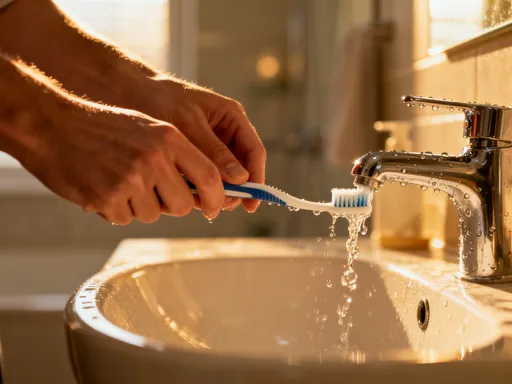
Why I Finally Got Serious About My Smile — And What Changed
You use your mouth every day, but when was the last time you truly paid attention to it? I ignored my oral health until a routine checkup revealed early signs of gum trouble. That wake-up call made me rethink everything — from brushing habits to diet choices. What I learned wasn’t just about avoiding cavities; it reshaped how I view overall wellness. Turns out, your mouth is a window to your body’s health, and small daily choices add up in big ways.
The Moment It Hit Me: A Wake-Up Call from My Dentist
Sitting in the dental chair, I assumed everything was fine. After all, I brushed twice a day and didn’t have any tooth pain. But when my hygienist pointed out redness along my gumline and mentioned something about mild gingivitis, I was stunned. I had always believed that if there was no pain, there was no problem. That assumption, as I later learned, is one of the most common — and dangerous — misconceptions about oral health. Gum disease often progresses silently, without obvious discomfort, until it reaches more advanced stages. That day, I realized I wasn’t just neglecting my teeth — I was ignoring an early warning sign that could affect my entire body.
The conversation with my dentist shifted my perspective entirely. She explained that what many people dismiss as routine plaque buildup could, over time, lead to chronic inflammation and even tooth loss. More surprisingly, she emphasized that oral health is not isolated from the rest of the body. In fact, inflammation in the gums has been linked to systemic conditions like heart disease and diabetes. This wasn’t just about having a bright smile for photos — it was about preventing long-term health complications. For the first time, I saw my mouth not just as a tool for eating and speaking, but as a vital part of my overall health system.
That appointment became a turning point. I started asking questions — about my brushing technique, my diet, even my stress levels. I began to understand that small, consistent habits matter far more than occasional deep cleanings. I also realized how many people, like me, operate on outdated or incomplete information. We learn how to brush in childhood and rarely revisit or refine our routine. But our bodies change, and so do the demands on our health. Recognizing that my oral care needed an update was the first step toward a more conscious, proactive approach to wellness.
Why Oral Health Is More Than Just a Pretty Smile
Most people think of oral health in terms of cavities, bad breath, or cosmetic concerns. But science now shows that the condition of your mouth reflects much more than aesthetics — it can signal deeper health issues. The mouth is home to millions of bacteria, both beneficial and harmful. When the balance shifts due to poor hygiene or other factors, harmful bacteria can multiply and cause inflammation. This inflammation doesn’t stay confined to the gums. It can enter the bloodstream and travel throughout the body, potentially contributing to chronic diseases.
One of the most well-documented connections is between periodontal (gum) disease and heart health. Research has shown that individuals with chronic gum disease are at a higher risk of developing cardiovascular problems, including heart attacks and strokes. While a direct cause-and-effect relationship is still being studied, experts believe that the inflammation caused by gum disease may contribute to the narrowing and hardening of arteries. In essence, the same inflammatory process damaging your gums could be silently affecting your heart.
Another critical link exists between oral health and diabetes. People with diabetes are more susceptible to infections, including gum disease, and in turn, severe gum disease can make it harder to control blood sugar levels. This creates a two-way relationship where each condition can worsen the other. Similarly, emerging studies suggest connections between oral bacteria and conditions like rheumatoid arthritis and even cognitive decline. While more research is needed, the evidence points to one clear conclusion: taking care of your mouth is not a separate act from taking care of your body — it’s an integral part of it.
The mouth, in many ways, acts as a mirror. Changes in color, texture, or sensation can be early indicators of nutritional deficiencies, hormonal imbalances, or immune system challenges. For example, dry mouth, persistent sores, or unusual gum bleeding may signal underlying issues that go beyond dental care. By paying attention to these signs, individuals can catch potential problems early and seek appropriate medical or dental advice. Viewing oral health through this broader lens transforms it from a cosmetic concern into a vital component of preventive medicine.
What Most People Get Wrong About Daily Care
Many adults follow the same brushing routine they learned as children, assuming that as long as they brush twice a day, they’re doing enough. However, technique matters just as much as frequency. One of the most common mistakes is brushing too hard. Some people believe that aggressive scrubbing removes more plaque, but in reality, it can damage the gums and wear down enamel over time. This can lead to increased sensitivity and even gum recession, which exposes the root surface of the tooth and raises the risk of decay.
Another widespread issue is brushing duration and method. The American Dental Association recommends brushing for at least two minutes, twice a day, using fluoride toothpaste. Yet, studies show that the average person brushes for less than one minute. Even among those who brush for the full two minutes, many miss key areas — particularly the back teeth and the gumline. The most effective technique involves holding the toothbrush at a 45-degree angle to the gums and using gentle, circular motions rather than harsh back-and-forth strokes. This allows the bristles to reach slightly beneath the gumline, where plaque tends to accumulate.
Equally important is the choice of tools. Not all toothbrushes are created equal. A soft-bristled brush is generally recommended because it cleans effectively without causing tissue damage. Electric toothbrushes, particularly those with oscillating or rotating heads, have been shown in multiple studies to remove more plaque and reduce gingivitis compared to manual brushing. While a manual brush can be effective with proper technique, an electric option may offer added benefits, especially for individuals with limited dexterity or those who tend to brush too aggressively.
Mouthwash is another area where habits may need refinement. Many over-the-counter rinses contain high levels of alcohol, which can dry out the mouth and disrupt the natural balance of oral bacteria. While some antiseptic mouthwashes can help reduce plaque and gingivitis, they should not replace brushing and flossing. For individuals prone to dry mouth, alcohol-free formulations are a better choice. The goal of any oral care product should be to support, not disrupt, the mouth’s natural defenses.
The Forgotten Step: Flossing and Interdental Cleaning
If there’s one step that consistently falls off people’s daily routines, it’s flossing. Surveys indicate that only about 30% of adults floss daily, despite decades of dental recommendations. The reason often isn’t laziness — it’s a lack of understanding about why flossing matters. Many believe that if they brush thoroughly, flossing is optional. But the truth is, brushing alone cleans only about 60% of tooth surfaces. The spaces between teeth, where food particles and plaque accumulate, are largely inaccessible to a toothbrush.
Plaque that remains between teeth can harden into tartar within 24 to 72 hours. Once tartar forms, it can only be removed by a dental professional. More importantly, the bacteria in interdental plaque are directly linked to gum inflammation and bone loss. Flossing disrupts this plaque buildup, reducing the risk of gingivitis and more serious periodontal disease. It’s not just about preventing bad breath or cavities — it’s about stopping inflammation before it spreads.
For those who find traditional floss difficult to use, alternatives exist. Interdental brushes — small, cone-shaped brushes designed to clean between teeth — are especially effective for people with larger gaps or braces. Water flossers, which use a stream of pulsating water to remove debris, have also gained popularity. Clinical studies show that water flossers can be as effective as string floss in reducing gingivitis and improving gum health, particularly for individuals with dexterity challenges or dental work like bridges or implants.
Making flossing a sustainable habit often comes down to convenience. Keeping floss or an interdental tool within reach of the toothbrush can help integrate it into the routine. Some people find it easier to floss at night, after brushing, as a final step before bed. Others prefer to do it in the morning while waiting for their coffee to brew. The key is consistency, not timing. Even flossing once a day makes a significant difference over time. The goal is not perfection but persistence — creating a habit that supports long-term oral and systemic health.
How Diet Shapes Your Oral Environment
Diet plays a powerful role in oral health, far beyond the well-known risks of sugary snacks and soda. While sugar is indeed a primary fuel for harmful oral bacteria, which produce acid that erodes enamel, acidity itself is a major concern — even from healthy foods. Citrus fruits, tomatoes, vinegar-based dressings, and carbonated beverages (including sparkling water) are all acidic and can weaken tooth enamel over time. Frequent snacking, even on nutritious items like dried fruit or granola, keeps the mouth in an acidic state, increasing the risk of erosion.
Saliva is the body’s natural defense against this acid attack. It helps neutralize pH levels, remineralize enamel, and wash away food particles. However, saliva production slows during sleep and can be reduced by factors like dehydration, certain medications, or mouth breathing. When saliva flow is low, the mouth remains acidic for longer periods, making teeth more vulnerable. This is why dry mouth is a significant risk factor for tooth decay and gum disease.
Smart dietary choices can support a healthier oral environment. For example, eating cheese after a meal has been shown to increase saliva production and raise pH levels in the mouth, offering a protective effect. Crunchy vegetables like carrots and celery act as natural cleansers, stimulating gums and helping remove plaque. Water, especially fluoridated tap water, is one of the best beverages for oral health — it hydrates, rinses the mouth, and strengthens enamel.
Timing and frequency matter as much as food choices. Constant grazing throughout the day prevents the mouth from recovering from acid attacks. Limiting snacks and designating specific meal times allows saliva to do its job more effectively. Drinking water after eating or drinking something acidic — such as a smoothie or coffee with lemon — helps rinse the mouth and reduce prolonged exposure to harmful acids. These small adjustments don’t require drastic lifestyle changes but can have a meaningful impact on long-term oral health.
Beyond Brushing: Lifestyle Factors That Affect Your Mouth
While brushing and diet are central to oral care, other lifestyle factors often go unnoticed. Stress, for instance, can have a surprising impact on oral health. Many people clench or grind their teeth, especially during sleep, a condition known as bruxism. This can lead to worn enamel, jaw pain, headaches, and even cracked teeth. Stress also reduces saliva production and weakens the immune system, making the gums more susceptible to infection.
Dehydration is another silent contributor to oral problems. When the body lacks sufficient fluids, saliva production decreases, creating a dry environment where bacteria thrive. Chronic dry mouth increases the risk of cavities, gum disease, and bad breath. Staying well-hydrated throughout the day supports not only oral health but overall bodily function. Keeping a water bottle handy and sipping regularly can make a noticeable difference.
Smoking and tobacco use remain among the most damaging habits for oral health. They significantly increase the risk of gum disease, oral cancer, and tooth loss. Even smokeless tobacco products can cause severe gum recession and tissue damage. For those looking to improve their oral and overall health, quitting tobacco is one of the most effective steps they can take.
Sleep quality and breathing patterns also play a role. Mouth breathing, especially during sleep, dries out the oral tissues and alters the balance of bacteria. This can contribute to gum inflammation and bad breath. Encouraging nasal breathing — through practices like breathing exercises or using a humidifier at night — can help maintain a healthier oral environment. Additionally, poor sleep has been linked to weakened immunity, which in turn affects the body’s ability to fight off infections, including those in the gums.
Building a Sustainable, Conscious Routine
True oral health isn’t achieved through short-term fixes but through consistent, mindful habits. The goal isn’t perfection — it’s awareness. Paying attention to subtle signs, such as occasional bleeding when brushing, increased sensitivity to hot or cold, or persistent bad breath, can help identify issues before they become serious. These signals are not just about dental concerns; they may reflect broader imbalances in diet, hydration, or stress levels.
One of the most effective ways to build a lasting routine is habit stacking — linking new behaviors to existing ones. For example, brushing immediately after morning coffee or flossing while watching the evening news can help integrate these actions into daily life. Over time, these behaviors become automatic, requiring less willpower to maintain. The key is to start small and focus on consistency rather than intensity.
Using tools that fit your lifestyle also increases the likelihood of adherence. If string floss is difficult, try a water flosser. If you forget to brush at night, keep your toothbrush and toothpaste visible on the bathroom counter. Some people find success with apps that send reminders or track brushing habits. Others prefer a simple checkmark on a calendar. The method doesn’t matter as much as the result — creating a routine that feels manageable and sustainable.
Finally, regular dental visits are essential. Even with excellent home care, professional cleanings and checkups are necessary to detect problems early and remove tartar buildup. Dentists and hygienists can also provide personalized feedback on technique and recommend products tailored to individual needs. These appointments are not just about fixing problems — they are opportunities for education and prevention.
Conclusion: Small Acts, Big Impact
Improving oral health doesn’t require drastic changes or expensive treatments. It begins with awareness — recognizing that the mouth is deeply connected to the rest of the body and that daily choices have long-term consequences. The habits you build today, from brushing with the right technique to choosing water over sugary drinks, are investments in your overall well-being.
What changed for me wasn’t just my smile — it was my mindset. I no longer see oral care as a chore or a cosmetic concern. Instead, I view it as an act of self-respect and a form of preventive medicine. Every time I brush, floss, or choose a healthy snack, I’m supporting not just my teeth but my heart, my immune system, and my long-term vitality.
The journey to better oral health is personal and ongoing. It’s not about achieving perfection but about making conscious choices every day. By listening to your body, asking questions, and taking small, consistent actions, you empower yourself to live a healthier, more balanced life. Remember, your mouth tells a story — make sure it’s one of care, awareness, and resilience. Always consult a dental professional for personalized advice and regular evaluations.