Brewing Profits: How I Turned Tea Into a Smarter Investment Play
Tea isn’t just a morning ritual—it’s a quiet powerhouse in the alternative investment world. I once overlooked it, chasing stocks and crypto, only to discover that aged pu-erh and rare green teas were outperforming my portfolio. This isn’t about quick flips or hype; it’s about patience, authenticity, and understanding value beyond the label. If you’re looking for ways to diversify and boost returns without the rollercoaster, let’s explore how tea can steep your wealth—safely and strategically. While traditional markets swing with economic headlines, a different kind of asset has been gaining steady traction among thoughtful investors: tea. Not the everyday variety found in supermarket aisles, but rare, high-quality, and especially aged teas that appreciate over time. This shift isn’t driven by speculation alone, but by a growing recognition that tangible, culturally rooted assets can offer both stability and long-term growth. For many women managing household finances and long-term planning, tea investing presents a unique opportunity—one that blends knowledge, care, and foresight into a strategy that rewards diligence.
The Unexpected Asset Class: Why Tea Deserves a Spot in Your Portfolio
For decades, investors have turned to gold, real estate, or fine art to diversify beyond stocks and bonds. These assets share key traits: they are tangible, scarce, and often tied to cultural value. Tea—particularly certain types—fits this profile more closely than many realize. Unlike digital currencies or speculative stocks, high-quality tea is a physical commodity with a centuries-old heritage, deeply embedded in traditions across Asia and increasingly appreciated worldwide. What makes tea a compelling addition to a balanced portfolio is not just its cultural richness, but its proven ability to appreciate in value over time, especially when stored and selected with care.
One of the most powerful arguments for tea as an investment lies in its low correlation with traditional financial markets. While stock prices rise and fall with interest rates, corporate earnings, and geopolitical events, the value of rare tea tends to follow a different rhythm. It grows slowly, quietly, and often steadily—driven not by quarterly reports, but by aging, scarcity, and increasing global demand. Aged pu-erh tea from Yunnan, China, for example, is known to improve in both flavor and value over decades, much like fine wine. This makes it a natural hedge against market volatility, offering stability during uncertain economic times.
Scarcity plays a crucial role in tea’s investment appeal. Unlike mass-produced goods, the finest teas are often made in limited quantities, using specific leaves from particular regions and harvests. Once a batch is sold, no more can be produced—especially for vintage teas. This fixed supply, combined with rising interest from collectors and connoisseurs in Europe, North America, and Asia, creates a supply-demand imbalance that supports long-term appreciation. Additionally, the cultural significance of tea in countries like China and Japan adds an emotional and symbolic value that further strengthens its market resilience.
Another advantage of tea as an asset is its accessibility. While a rare painting or a luxury watch may require tens of thousands of dollars to enter the market, a high-quality tea cake can be acquired for a few hundred dollars, making it a more approachable option for those building wealth gradually. It also doesn’t require specialized financial instruments or brokerage accounts—just knowledge, patience, and proper storage. For women managing household budgets and long-term savings, this tangible, manageable entry point can be empowering. Tea investing allows for small, thoughtful purchases that compound in value over time, turning careful selection into a quiet but powerful wealth-building tool.
Separating Hype from Value: What Kinds of Tea Actually Appreciate?
Not all tea is created equal when it comes to investment potential. Just as a mass-market wine won’t appreciate like a Bordeaux from a top château, most commercially available teas will not increase in value. The key to successful tea investing lies in identifying the specific types that have a proven track record of appreciation. These are typically rare, artisanal, and often aged teas, produced in limited quantities under strict conditions. Understanding the difference between everyday consumption tea and investment-grade tea is essential to avoid wasting resources on items that won’t deliver returns.
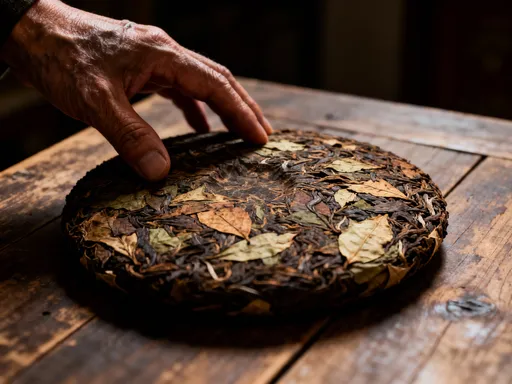
Aged pu-erh tea from Yunnan province in China stands out as the most well-documented and widely recognized investment tea. Pu-erh is unique because it is one of the few teas designed to improve with age. Made from large-leaf tea trees, often from ancient forests, it undergoes a fermentation process that continues over time, deepening its flavor and complexity. As it ages, well-stored pu-erh can increase significantly in value. For example, a tea cake produced in the 1980s or 1990s from a reputable factory or region can now command prices hundreds of times its original cost. This isn’t speculation—it’s a pattern observed in collector markets and auction results over the past two decades.
Beyond pu-erh, certain green and oolong teas also show strong investment potential. West Lake Longjing (Dragon Well) tea from Hangzhou, China, especially from the pre-Qingming harvest, is highly prized for its delicate flavor and limited availability. Only a small amount is produced each year under strict geographical and quality standards, making authentic batches rare and sought after. Similarly, high-elevation oolongs from Taiwan, such as Dong Ding or Alishan, particularly those from exceptional vintages, have gained collector status. These teas are often released in small batches and quickly sell out, creating immediate scarcity.
What unites these valuable teas is not just taste, but verifiable provenance. Origin, harvest year, processing method, and storage history all contribute to a tea’s investment worth. A tea labeled as “premium” without documentation or traceability is unlikely to appreciate. In contrast, teas with clear sourcing—such as those from family-run farms, certified organic estates, or official regional designations—carry more credibility and market trust. Investors who focus on authenticity, rather than branding or packaging, are more likely to build a portfolio that grows in value over time. The lesson is clear: invest in tea with a story, a source, and a track record—not just a pretty label.
The Hidden Risks in Tea Investing (And How to Avoid Them)
Like any physical asset, tea comes with inherent risks that must be understood and managed. While the potential for appreciation is real, so are the pitfalls of poor storage, counterfeit products, and market illiquidity. Recognizing these challenges is not a reason to avoid tea investing, but a necessary step in building a sound strategy. For women who prioritize security and long-term planning, understanding these risks ensures that tea remains a thoughtful addition to a portfolio, not a costly mistake.
One of the most significant risks is improper storage. Tea is an organic material sensitive to moisture, light, temperature, and odors. If stored in a humid environment, it can develop mold, which not only ruins the flavor but destroys its market value. Exposure to strong smells—such as spices, cleaning products, or even coffee—can cause the leaves to absorb unwanted aromas, compromising quality. Even fluctuations in temperature can accelerate degradation. These factors mean that simply keeping tea in a kitchen cabinet is not sufficient for long-term investment. Without proper conditions, decades of appreciation can be lost in a matter of months.
Counterfeiting is another serious concern, especially in the high-end tea market. Fake pu-erh cakes, for example, are not uncommon. Some unscrupulous sellers rewrap older or lower-quality tea in packaging that mimics rare vintages, deceiving buyers into paying premium prices for inferior products. There are also cases of artificially aged tea, where leaves are treated to simulate the appearance and taste of decades-old pu-erh. Without expert knowledge or verification, it’s easy to fall victim to these schemes. This is why sourcing from reputable vendors—those with transparent supply chains, third-party testing, or certification—is critical.
Liquidity is a third challenge. Unlike stocks or bonds, which can be sold quickly on public exchanges, rare tea requires a specialized market. Finding a buyer willing to pay fair value may take time, especially for larger collections. Auctions, private collector networks, and specialty dealers are the primary channels, but they often come with fees or require extensive documentation. This means tea should not be viewed as a short-term investment or emergency fund. Instead, it should be treated as a long-hold asset, with the understanding that exiting the position may take patience and planning.
To mitigate these risks, investors should adopt a disciplined approach. Start small, focus on education, and build relationships with trusted suppliers. Consider third-party authentication for high-value purchases and maintain detailed records of acquisition, storage conditions, and any appraisals. By treating tea investing with the same care as any other financial decision, women can protect their investments and enjoy the quiet confidence that comes with owning something valuable, tangible, and timeless.
From Purchase to Profit: Building a Strategic Tea Holding Approach
Successful tea investing is not about impulse buys or following trends—it’s about building a deliberate, well-researched portfolio. Just as a diversified stock portfolio includes a mix of sectors and risk levels, a tea investment strategy should balance different types, vintages, and origins to spread risk and maximize long-term growth. This structured approach turns tea from a curiosity into a serious financial tool, one that rewards patience, research, and consistency.
The first step is setting clear investment goals. Are you looking to preserve wealth, generate future income, or pass down a legacy collection? Your objective will shape how much capital to allocate, which teas to prioritize, and how long to hold them. For most households, tea should represent a small but meaningful portion of total assets—typically between 3% and 10%, depending on risk tolerance and financial goals. This ensures that even if the market shifts, your core financial stability remains intact.
Next, focus on selection. Begin by researching reputable sources and understanding the characteristics of high-appreciation teas. Prioritize vintages with strong track records, such as 1980s or 1990s pu-erh, or recent limited releases from trusted producers. Consider diversifying across categories: some aged pu-erh for long-term growth, a few high-elevation oolongs for mid-term potential, and a rare Longjing for cultural value. This mix not only reduces risk but also increases the chances of capturing appreciation across different market cycles.
Timing also matters. The best entry points often come during harvest seasons or when reputable vendors release new batches. Avoid buying at peak demand periods, such as during major holidays or cultural festivals, when prices may be inflated. Instead, look for opportunities when supply is fresh and demand is stable. Once purchased, track the value of your holdings over time. While tea doesn’t have daily price quotes like stocks, you can monitor auction results, collector forums, and market reports to gauge trends. This ongoing assessment helps you recognize when a tea may be approaching its peak value, allowing for informed decisions about holding or selling.
Finally, treat your tea collection like any other asset—document it, insure it, and review it periodically. Keep receipts, certificates of authenticity, and storage logs. Consider professional appraisals every few years to understand its current market worth. By approaching tea with discipline and clarity, you transform what might seem like a niche hobby into a strategic, confidence-building part of your financial life.
Storage Secrets: Preserving Quality and Maximizing Returns
The value of an investment-grade tea is only as strong as its condition. No matter how rare or authentic a tea may be, poor storage can destroy its quality and, with it, its market worth. This is where many new investors stumble—not from choosing the wrong tea, but from underestimating the importance of preservation. For women who manage homes and value care, this aspect of tea investing aligns naturally with the skills of nurturing and protection. Proper storage isn’t complicated, but it does require attention and consistency.
Tea should be kept in a cool, dry, and odor-free environment. Ideal storage conditions include a stable temperature between 68°F and 75°F (20°C to 24°C) and humidity levels between 50% and 70%. Too much moisture encourages mold; too little can dry out the leaves and halt the aging process, especially for pu-erh. Direct sunlight and artificial light should be avoided, as UV rays can degrade the leaves over time. A dark, well-ventilated closet or cabinet away from kitchens and bathrooms is often sufficient for small collections.
For larger or higher-value holdings, many serious investors opt for climate-controlled storage units or professional tea vaults. These services, available in some major cities and online, provide monitored environments with precise humidity and temperature controls. While they come at a cost, they offer peace of mind—especially for teas worth thousands of dollars. Some even include insurance and inventory management, making them a practical choice for long-term investors.
Airflow is another critical factor. Tea needs to breathe, especially pu-erh, which continues to ferment slowly over time. Storing tea in airtight plastic bags or containers can trap moisture and lead to spoilage. Instead, use breathable materials like cotton cloth, paper wrappers, or wooden cabinets with ventilation. Many collectors store pu-erh cakes in their original packaging, which is often designed to allow gradual air exchange. Rotating the cakes occasionally can also help ensure even aging.
Finally, keep detailed records of storage conditions. Note any changes in temperature or humidity, and inspect your collection periodically for signs of mold or odor absorption. By treating storage as a core part of your investment strategy, you protect not just the tea, but the years of value it has accumulated. In this way, the act of preservation becomes an investment in itself—one that pays dividends in both quality and confidence.
When and How to Exit: Selling for Maximum Gain
Even the most carefully curated tea collection will eventually need an exit strategy. Knowing when and how to sell is just as important as knowing what to buy. The goal is not to chase short-term profits, but to realize gains at the right moment—when demand is strong, documentation is complete, and market conditions are favorable. For women planning for retirement, education funds, or legacy gifts, this step ensures that the value built over years of patient holding is actually captured.
The secondary market for rare tea operates through several channels. Online auction platforms, such as specialized tea marketplaces or global collectibles sites, allow sellers to reach a broad audience. These venues often attract serious buyers, but they may charge listing fees or take a commission on sales. Another option is working with specialty tea dealers who buy and sell vintage teas. These professionals can offer quick liquidity and expert valuation, though they may offer lower prices to account for their own resale margins.
Private collector networks are also valuable. Many high-value transactions happen through personal connections, forums, or invitation-only groups. These relationships take time to build, but they often result in better prices and smoother transactions. Being active in tea communities—attending tastings, joining online discussions, or participating in educational events—can open doors to these networks over time.
Timing the sale requires market awareness. Tea values often follow cultural and economic cycles. For example, demand may rise during Chinese New Year or among collectors in Asia during periods of economic growth. Monitoring auction results and price trends over several years can help identify patterns. Additionally, teas from vintages that are reaching their peak drinking window—typically 20 to 30 years for pu-erh—often see increased interest, making them ideal candidates for sale.
Presentation matters. A tea backed by documentation—such as purchase receipts, authenticity certificates, storage logs, and professional appraisals—commands higher trust and, therefore, higher prices. Clean, original packaging also enhances value. Selling a well-documented, properly stored tea is not just about the product, but about the story and credibility behind it. By planning the exit with the same care as the purchase, investors ensure that their patience is rewarded with real, tangible returns.
Beyond the Hype: A Balanced View on Tea as a Long-Term Asset
Tea investing is not a get-rich-quick scheme. It will not replace a diversified portfolio of stocks, bonds, and real estate. But when approached with knowledge, discipline, and long-term thinking, it can be a meaningful complement—one that offers stability, cultural richness, and the quiet satisfaction of owning something that grows in value over time. For women who value both financial security and the preservation of tradition, tea presents a unique opportunity: to invest in an asset that is not only profitable but also deeply human.
The true power of tea as an investment lies in its duality. It is both a financial asset and a cultural artifact. It can be appraised for its market worth and savored for its flavor. It connects generations, tells stories, and endures. In a world of digital transactions and fleeting trends, tea stands as a reminder that value can be slow, steady, and deeply rooted.
As with any investment, due diligence is essential. Research before buying. Store with care. Sell with strategy. Avoid the noise of hype and focus on authenticity, provenance, and condition. By doing so, tea becomes more than a beverage—it becomes a legacy. And for those who manage households, plan for the future, and seek meaningful ways to grow wealth, that legacy may be the most valuable return of all.