Why Timing Is Everything in Home Insurance — A Systematic Approach You Can’t Ignore
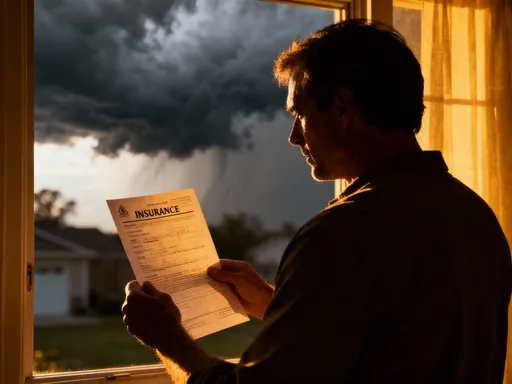
Home insurance isn’t just about having a policy — it’s about having the right policy at the right time. I learned this the hard way after a minor roof leak spiraled into a major claim headache. What I thought was full coverage turned out to have critical gaps, all because I didn’t act at the right moment. Timing shapes everything — from premiums to protection. In this deep dive, I’ll walk you through a systematic way to approach home insurance, so you don’t pay more than you should or end up underprotected when it matters most.
The Hidden Cost of Waiting: How Delaying Coverage Backfires
Many homeowners assume that once they sign the papers on a new house, they have a grace period to secure insurance. This belief, while understandable, can lead to serious financial consequences. The truth is, the moment you take ownership of a property, you are fully exposed to risk. A pipe burst, a storm, or even a small fire can occur at any time — and if your policy hasn’t been activated, your insurer may deny the claim. There is no universal grace period, and most companies assess coverage based on the effective date listed in the contract. Even a delay of two or three days can be interpreted as a lapse, particularly if the damage is discovered during that window.
Consider the case of a homeowner in Ohio who closed on a home on a Friday and planned to finalize insurance on Monday. Over the weekend, heavy snowfall caused part of the garage roof to collapse. When the claim was filed, the insurer reviewed the timeline and determined that the policy was not active at the time of the incident. The result? A $14,000 repair bill paid entirely out of pocket. This is not an isolated case. Data from the Insurance Information Institute shows that nearly 12% of denied home insurance claims in 2022 were due to timing issues, including delayed policy activation or gaps between policies during refinancing or relocation.
Why do insurers scrutinize timing so closely? Because the activation date establishes the baseline for risk assessment. If a claim occurs before the policy is officially in force, the insurer has no legal obligation to pay. Furthermore, some companies use the start date to determine whether a loss was foreseeable. For example, if a storm warning was issued before the policy began, the insurer might argue that the damage was imminent and therefore not covered. This is why enrolling in coverage immediately after closing — ideally before the keys are handed over — is not just a best practice; it is a financial safeguard.
The takeaway is clear: timing is not a bureaucratic formality. It is a critical component of financial protection. Waiting to secure insurance because you’re waiting for paperwork, comparing quotes, or assuming coverage is automatic can backfire in costly ways. The most strategic move is to initiate the insurance process during the home buying phase, not after. By coordinating with your lender, real estate agent, and insurer ahead of time, you can ensure that your policy starts the moment ownership begins. This proactive alignment prevents exposure and reinforces your position as a responsible, prepared homeowner.
Seasonal Shifts: When the Calendar Affects Your Premiums
Just like airfare or holiday shopping, home insurance pricing is influenced by timing. While premiums are often seen as fixed, they can vary significantly depending on when you purchase or renew your policy. Seasonal trends in weather, claims volume, and insurer capacity all play a role in shaping rates. Understanding these patterns allows homeowners to make smarter decisions — not just about when to buy, but when to save.
One of the most impactful seasonal factors is weather risk. In regions prone to hurricanes, such as Florida or the Gulf Coast, insurers often raise premiums or tighten underwriting standards as storm season approaches. A policy purchased in April may cost 15–20% less than the same policy bought in June, simply because the risk profile changes with the calendar. Similarly, in northern states, winter brings increased risks of ice dams, frozen pipes, and snow-related structural damage. Insurers anticipate higher claims during these months and may adjust pricing accordingly. By securing or renewing coverage before these high-risk periods, homeowners can lock in lower baseline rates.
Beyond weather, insurer behavior shifts with the time of year. The beginning of the year — January through March — is often the best time to shop for home insurance. Many companies introduce new pricing models, discounts, or bundling incentives at the start of the fiscal year. Additionally, competition is high as insurers aim to grow their customer base early. In contrast, late summer and early fall can be slower periods, but they also coincide with peak claims from storms and natural events, which may make insurers more cautious about offering favorable terms.
Bundling home and auto insurance is another area where timing matters. Many providers offer discounts for bundling, but these deals are often more generous during promotional periods. For example, some insurers run limited-time offers in the spring or fall, offering an additional 5–10% off for new bundle customers. By aligning your policy renewal with these windows, you can maximize savings without reducing coverage. The key is to avoid autopilot renewals. Instead, treat your insurance like any other household expense that deserves annual review — ideally a few weeks before your current policy expires.
Geographic differences also influence seasonal timing. In California, wildfire season affects not only premiums but also insurability. Homeowners in high-risk zones may find it harder to get coverage as summer approaches, and those who wait too long could face higher costs or even non-renewal. In contrast, areas with mild climates and low seasonal variation, such as parts of the Pacific Northwest, may see more stable pricing year-round. Still, even in these regions, shopping around before renewal can uncover better rates.
The bottom line is that insurance is not immune to market cycles. By understanding how the calendar affects pricing, homeowners can turn timing into a strategic advantage. Signing up early, renewing at the right moment, and avoiding high-risk seasons for new policies are all ways to keep costs down. This doesn’t mean waiting for the absolute lowest rate — because protection should never be compromised for savings — but it does mean being intentional about when you act.
Life Events as Insurance Triggers: Recognizing Key Moments
Life is full of changes — some expected, others sudden — and many of them have direct implications for home insurance. A new baby, a home renovation, or a shift to remote work may seem like personal milestones, but they also represent critical inflection points for your coverage. Failing to update your policy in response to these events can leave you underinsured, overpaying, or even denied a claim when you need it most.
Take home renovations, for example. Upgrading your kitchen, adding a deck, or finishing a basement increases the value of your home and, by extension, the cost to rebuild it. If you don’t notify your insurer, your coverage may no longer reflect the actual replacement cost. In the event of a total loss, you could receive a payout based on the old value — leaving you thousands of dollars short. A study by the National Association of Insurance Commissioners found that nearly 30% of homeowners who made improvements without updating their policy were underinsured by at least 20%. This gap can be devastating, especially after a major disaster.
Similarly, changes in household composition can affect liability coverage. If you start working from home and receive clients or contractors regularly, your standard policy may not cover injuries that occur during business-related visits. Most home insurance policies exclude commercial activities, so a customer slipping on your porch during a meeting could lead to a denied claim. The same applies if you rent out a room on a short-term basis. Platforms like Airbnb have specific insurance requirements, and failing to disclose such use can void your policy.
Other life events include installing a swimming pool, acquiring high-value items like jewelry or artwork, or even getting a pet. Certain dog breeds, for instance, are considered higher risk, and some insurers may increase premiums or exclude liability coverage if not disclosed. The key is not to wait for an incident to trigger a policy review — it should happen proactively. A systematic approach means scheduling a policy check-in after any major life change, no matter how small it may seem.
Marriage, divorce, or a child moving out can also alter your insurance needs. A married couple may benefit from bundling or adjusting coverage limits, while a single homeowner living alone may qualify for different discounts. These transitions are not just emotional or logistical — they are financial signals that demand attention. By treating life events as insurance triggers, you turn reactive decisions into proactive planning. This doesn’t require constant monitoring, but it does require awareness and discipline. The goal is to ensure that your policy evolves with your life, not lags behind it.
The Claim Cycle: When to File — and When to Hold Back
Filing a home insurance claim feels like the logical response to damage — but it’s not always the smartest financial move. Every claim you file becomes part of your insurance history, and insurers use this data to assess risk. Frequent claims, even for small incidents, can lead to higher premiums, reduced discounts, or even non-renewal. The decision to file should not be automatic; it should be strategic, based on a clear assessment of cost, impact, and long-term consequences.
Consider a broken window caused by a falling branch. The repair might cost $400. If your deductible is $1,000, filing a claim makes no sense — you’ll pay the full amount either way, and the claim will still be recorded. But even if the damage exceeds your deductible, say $1,200 in repairs with a $500 deductible, the long-term cost could outweigh the short-term benefit. Insurers may increase your premium by 10–20% for the next three to five years. Over time, that could amount to more than the initial repair cost. A better approach is to reserve claims for significant losses — those that are clearly above your deductible and beyond what you can comfortably afford.
Water damage is another common scenario where timing matters. A minor leak under the sink might cost $600 to fix. If you file a claim, you get reimbursed minus the deductible, but you also add a water damage incident to your record. Since water claims are among the most frequent and costly for insurers, even one claim can classify you as a higher-risk homeowner. Instead, many financial advisors recommend creating a home maintenance fund — a dedicated savings account for repairs under $1,000 — so you can handle small issues without involving your insurer.
The optimal claim strategy balances protection and prudence. A good rule of thumb is to file only when the repair cost is at least double your deductible. This ensures that the payout justifies the potential premium increase. It also preserves your no-claim bonus, a discount offered by many insurers to policyholders with clean records. Losing this bonus can cost hundreds per year, making it a valuable asset to protect.
There are exceptions, of course. Major events like fires, severe storms, or burglaries should always be reported. These are high-cost, high-risk incidents that insurance is designed to cover. The goal is not to avoid claims altogether, but to file them wisely. By assessing each incident on its own merits — considering cost, frequency, and long-term impact — you maintain a healthier insurance profile. This disciplined approach keeps your premiums stable and your coverage intact for when you truly need it.
Policy Renewal: Turning a Routine Task into a Strategic Move
For many homeowners, policy renewal is a passive event — a bill that arrives in the mail and gets paid without review. This complacency can be costly. Renewal season is not just an administrative task; it is a powerful opportunity to reassess your coverage, negotiate terms, and potentially save hundreds of dollars. Treating it as a strategic moment, rather than a routine expense, puts you in control of your financial protection.
Insurers often adjust premiums at renewal based on claims history, market conditions, and changes in risk assessment. If you’ve had no claims, you may qualify for loyalty discounts or lower rates. But if construction costs have risen or your area has seen more frequent storms, your premium could increase. The key is to review the new offer before accepting it. Many homeowners accept automatic renewals without comparing alternatives, missing out on better deals elsewhere.
A systematic renewal process starts with gathering quotes from at least two or three other insurers. You don’t have to switch, but having competing offers gives you leverage. Some companies offer price-match guarantees or retention discounts if you threaten to leave. Even if you stay with your current provider, asking for a review can lead to adjustments — especially if you’ve made home improvements that reduce risk, like installing a security system or upgrading the roof.
This annual audit should also include a coverage check. Has your home’s value changed? Have you added new valuables? Is your liability limit still adequate? Many policies don’t automatically adjust for inflation or market shifts, so a review ensures you’re not underinsured. At the same time, you may be paying for coverage you no longer need — like earthquake insurance in a low-risk area. Removing unnecessary add-ons can lower your premium without sacrificing protection.
The renewal window — typically 30 to 60 days before expiration — is the ideal time to act. Insurers are more responsive during this period, and switching policies can often be done seamlessly. By making renewal a proactive, annual ritual, you avoid being locked into outdated or overpriced coverage. It’s not about chasing the cheapest rate; it’s about ensuring you’re getting the best value for your needs. This disciplined approach transforms a routine task into a strategic financial decision.
Market Timing: Rate Changes and Regulatory Shifts You Can’t Control — But Can Prepare For
While individual actions matter, broader market forces also shape home insurance costs. Rising construction material prices, new building codes, climate risks, and regulatory changes can all trigger industry-wide rate adjustments. These factors are beyond any one homeowner’s control, but awareness of them allows for proactive planning. Staying informed helps you anticipate changes and adjust your coverage before costs spike.
For example, the cost of lumber, drywall, and labor has risen significantly in recent years. Since home insurance is based on replacement cost, these increases are passed on to policyholders. A home that cost $300,000 to rebuild five years ago may now cost $400,000. If your policy hasn’t kept pace, you’re underinsured. Insurers may offer inflation guard endorsements that automatically adjust coverage, but not all policies include them. Monitoring construction trends in your area helps you determine whether a manual update is needed.
Climate change is another major driver of market shifts. Areas once considered low-risk for flooding or wildfires are now being reclassified. The Federal Emergency Management Agency (FEMA) regularly updates flood zone maps, and homes newly designated as high-risk may face higher premiums or mandatory flood insurance. Homeowners who wait until the new designation takes effect often face steep rate hikes. Those who act early — purchasing flood insurance before the change — can lock in lower rates or qualify for grandfathered pricing.
Regulatory changes at the state level can also impact affordability. Some states have implemented stricter solvency requirements for insurers, leading to reduced competition and higher prices. Others have introduced consumer protections that limit rate increases. Staying informed through state insurance department websites or trusted financial news sources helps you understand the landscape. While you can’t control these forces, you can adjust your strategy — for example, by increasing your deductible to offset rising premiums or by investing in mitigation measures like storm shutters or fire-resistant roofing.
The goal is not to predict every change, but to build flexibility into your insurance plan. By monitoring macro-level trends, you can make informed decisions before they affect your wallet. This forward-looking approach turns uncertainty into opportunity, allowing you to protect your home without overpaying.
Building a System: From Reactive to Proactive Protection
The most effective home insurance strategy isn’t a single action — it’s a repeatable system. Too many homeowners treat insurance as a reactive tool, only engaging when something goes wrong. But true financial protection comes from consistency, not crisis management. By creating a structured approach tied to seasons, life events, and market updates, you turn timing from guesswork into discipline.
Start by establishing regular check-in points. Mark your calendar for an annual policy review — ideally a few weeks before renewal. Schedule additional reviews after any major life change: a renovation, a new job, a family addition, or a move within the same city. Use these moments to verify coverage limits, update itemized lists of valuables, and confirm that your policy reflects your current reality.
Next, align your actions with seasonal patterns. If you live in a hurricane-prone area, review your windstorm coverage every spring. In wildfire zones, assess evacuation plans and coverage for temporary living expenses each summer. These seasonal audits ensure you’re not caught off guard when risk peaks. They also create natural opportunities to shop around or negotiate better terms.
Finally, stay informed about broader trends. Subscribe to updates from your state insurance department, follow reputable financial news, and maintain a relationship with your agent. Knowledge is power — knowing about rising construction costs, new flood maps, or insurer exits from your area allows you to act early. A systematic approach doesn’t require constant effort, but it does require consistency. It’s not about being perfect; it’s about being prepared.
By integrating these habits into your financial routine, you shift from reactive to proactive protection. You avoid costly gaps, prevent overpayment, and ensure your home is covered when it matters most. Insurance is not just a product — it’s a process. And the timing of that process is what separates financial security from avoidable risk.