How Cultural Spending Became My Smartest Investment Move
I never thought going to concerts, buying art, or visiting museums could tie into my financial strategy. But over time, I noticed something surprising—my cultural spending wasn’t just enriching my life, it was shaping my investment mindset. As消费升级 fuels new market trends, cultural consumption has evolved from a luxury into a meaningful economic force. What once seemed like simple personal indulgence now reveals deeper financial patterns. People are increasingly allocating resources not just to traditional assets like stocks or real estate, but to experiences and objects tied to identity, memory, and expression. This shift reflects a broader transformation in how value is created and preserved. The line between enjoyment and investment is blurring, opening new pathways for thoughtful wealth building—if approached with awareness, discipline, and long-term vision.
The Rise of Cultural Consumption: More Than Just Fun
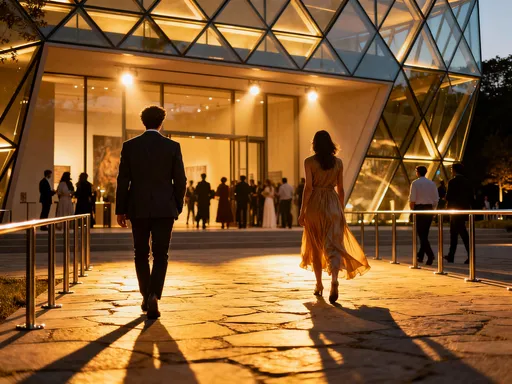
Cultural consumption has moved beyond the margins of discretionary spending to become a central pillar of modern lifestyle choices. Across cities and continents, individuals are prioritizing access to live music, theater, visual arts, and heritage experiences as essential components of personal well-being. This is not merely a shift in leisure habits—it represents a fundamental reordering of values. Where past generations may have measured success by material ownership, today’s consumers increasingly define fulfillment through meaningful engagement. Concerts, exhibitions, and cultural festivals are no longer seen as occasional treats but as integral investments in one’s quality of life. This growing emphasis on experiential richness has sparked a parallel expansion in economic activity, with industries adapting to meet rising demand.
Urban centers around the world reflect this transformation. Cities like Seoul, Berlin, and Melbourne have cultivated reputations as global cultural hubs, drawing both residents and tourists through vibrant arts scenes. Museum attendance has rebounded strongly post-pandemic, with institutions reporting increased foot traffic and diversified audiences. Major cultural festivals—from Edinburgh’s arts festival to Japan’s Gion Matsuri—draw millions annually, generating substantial local revenue. These events do more than entertain; they stimulate surrounding economies by boosting hospitality, transportation, and retail sectors. The ripple effects are measurable: every dollar spent on cultural programming often generates several more in secondary economic activity. This multiplier effect underscores the growing importance of culture as both a social good and an economic engine.
At the heart of this shift lies a change in consumer psychology. With basic needs widely met in many societies, people seek deeper forms of satisfaction. Cultural experiences offer a sense of connection—to history, to community, to creativity—that material goods alone cannot provide. This pursuit of meaning drives willingness to spend, even during periods of economic uncertainty. Surveys consistently show that individuals prioritize experiences over possessions, particularly among younger demographics who value authenticity and self-expression. As disposable incomes rise, especially in emerging markets, more households allocate a growing share of their budgets to cultural activities. This trend is not fleeting—it reflects structural changes in how people view time, money, and personal identity.
Simultaneously, digital platforms have democratized access to cultural content, expanding participation beyond elite circles. Streaming services, virtual gallery tours, and online performance archives allow broader engagement regardless of geography or income level. While physical attendance remains irreplaceable for many, digital access lowers barriers and fosters greater appreciation. This inclusivity strengthens the cultural economy by cultivating wider audiences and sustaining long-term interest. As more people engage with the arts, demand grows for related products and services—from educational workshops to collectible merchandise. The result is a self-reinforcing cycle: increased access leads to greater appreciation, which fuels further investment in cultural infrastructure and innovation.
Why Culture Now? The Economic Engines Behind the Trend
The surge in cultural spending is not accidental; it is driven by powerful macroeconomic forces reshaping global consumption patterns. One of the most significant drivers is the expansion of the global middle class, particularly in Asia, Latin America, and parts of Africa. As more households achieve financial stability, they naturally progress from focusing on survival to seeking enrichment. Culture becomes a marker of status, taste, and personal development. In countries like China and India, rising incomes have led to a boom in private art collecting, concert attendance, and heritage tourism. Families invest in music lessons for children, travel to historical sites, and purchase design-led home goods—not only for enjoyment but as expressions of upward mobility.
Another key factor is the post-pandemic reevaluation of life priorities. The disruptions of recent years prompted many to reconsider what truly matters. Amid lockdowns and isolation, people missed shared experiences—the energy of a live audience, the intimacy of a gallery visit, the spontaneity of street performances. Once restrictions lifted, there was a pent-up demand for connection and beauty. This resurgence was not just about catching up on missed events; it reflected a deeper craving for authenticity in an increasingly digital and fragmented world. The emotional resonance of cultural experiences made them feel more valuable than ever, reinforcing their place in personal budgets even as inflation pressures mounted elsewhere.
Digital technology has also played a transformative role in accelerating this trend. Platforms such as YouTube, Spotify, and Instagram have made cultural content more accessible than ever before. Independent musicians can reach global audiences without record labels. Visual artists gain visibility through social media. Dance troupes stream performances to subscribers worldwide. These developments lower entry barriers for creators while expanding choice for consumers. Monetization models have evolved alongside—subscriptions, pay-per-view, crowdfunding, and digital tipping allow direct support for artists. This decentralization empowers individuals to participate in the cultural economy both as consumers and contributors, creating new revenue streams and investment opportunities.
Cities, too, recognize the strategic value of cultural branding. Urban planners increasingly view arts and culture as tools for economic revitalization. Former industrial districts are being reimagined as creative quarters, housing studios, galleries, and performance spaces. Music districts in cities like Nashville and Manchester attract tourism and stimulate local business. Art biennials and design weeks draw international attention, enhancing a city’s global standing. These initiatives are not merely aesthetic; they are economic development strategies. By fostering creative ecosystems, cities attract skilled workers, entrepreneurs, and investors who value dynamic, culturally rich environments. The presence of a thriving arts scene correlates with higher property values, stronger civic engagement, and greater innovation capacity—factors that benefit the broader economy.
Where the Money Flows: Sectors Riding the Cultural Wave
As cultural consumption gains momentum, several industries are experiencing significant growth and transformation. The creative industries—encompassing music, film, design, and publishing—are at the forefront. These sectors no longer operate in isolation; they increasingly intersect with technology, education, and commerce. Immersive theater productions, for example, blend storytelling with interactive design and location-based experiences, creating new forms of entertainment that command premium pricing. Similarly, fashion brands collaborate with visual artists to produce limited-edition collections, turning garments into wearable art. These hybrid models enhance perceived value and deepen consumer loyalty, making them attractive from both a business and investment perspective.
Experiential retail is another sector capitalizing on this shift. Traditional shopping malls are declining, but spaces that combine commerce with cultural programming are thriving. Bookstores now host author readings and workshops. Department stores incorporate art installations and live performances. Pop-up markets feature local artisans, musicians, and food vendors, transforming transactions into social events. This evolution reflects a broader consumer preference for engagement over convenience. When people spend money, they want to feel part of something meaningful. Retail environments that deliver cultural value become destinations rather than mere places to buy things, increasing foot traffic and average spending per visit.
Heritage preservation is also gaining renewed attention as both a public good and an economic opportunity. Historic buildings, archaeological sites, and traditional crafts are being restored and reactivated through public-private partnerships. Adaptive reuse projects convert old factories into cultural centers, and ancestral crafts are revived through modern design applications. These efforts preserve cultural identity while generating jobs and attracting tourism. Investors are beginning to see the long-term value in supporting such initiatives, particularly when they align with sustainability goals. Preserving architectural heritage, for instance, reduces the need for new construction and conserves resources, making it compatible with environmentally responsible investing principles.
Digital content creation stands out as one of the fastest-growing areas within the cultural economy. From independent filmmakers to podcasters and digital illustrators, creators are building audiences and monetizing their work through diverse channels. Platforms enable direct fan support via memberships or exclusive content, reducing reliance on traditional gatekeepers. Some creators have turned niche followings into sustainable businesses, demonstrating that cultural value can translate into financial viability. While not all digital ventures succeed, the overall trend points to a more decentralized and inclusive creative economy where talent and originality can find audiences without institutional backing. For investors, this opens possibilities in supporting creative infrastructure, such as production studios, distribution networks, or artist residencies.
Turning Passion into Portfolio: Early Signs of Financial Value
One of the most intriguing developments in the cultural economy is the growing recognition of cultural assets as having tangible financial worth. Collectible designs, vintage instruments, rare books, and performance rights are increasingly viewed not just as objects of personal affection but as potential stores of value. Unlike traditional financial instruments, these assets derive worth from a combination of scarcity, craftsmanship, historical significance, and emotional resonance. Over time, certain categories have demonstrated appreciation, particularly when demand outpaces supply. A well-preserved mid-century modern chair, an original pressing of a legendary album, or a first edition of a classic novel can command prices far exceeding their original cost, especially if linked to influential creators or movements.
Film and music royalties represent another area where cultural engagement intersects with investment. Independent producers and songwriters sometimes offer fractional ownership in future earnings from their works. While these opportunities carry risk—revenue depends on usage, licensing, and market trends—they also offer the potential for passive income. A documentary that gains international distribution, or a song that becomes a viral hit, can generate returns years after its creation. These assets appeal to investors who appreciate both the artistic merit and the financial mechanism. Due diligence is critical: understanding copyright status, distribution agreements, and historical performance data helps assess realistic expectations.
Independent fashion and accessory brands have also entered this space, releasing limited runs of handcrafted items that gain collector status over time. Certain handbags, watches, or sneakers have developed secondary markets where resale values exceed retail prices. While speculation exists, particularly in high-demand categories, the underlying principle remains sound—well-made, distinctive items with cultural relevance can retain or increase value. This phenomenon reflects broader shifts in consumer behavior, where authenticity and narrative matter as much as functionality. For investors, the key is distinguishing between fleeting trends and enduring design excellence.
What makes these non-traditional assets compelling is their ability to combine personal enjoyment with potential financial benefit. Unlike stocks or bonds, which exist primarily as abstract numbers, cultural assets can be experienced directly. Owning a piece of art or attending a private concert provides immediate satisfaction while also serving as a long-term holding. This dual utility makes them uniquely positioned within a diversified portfolio. However, they should not replace core investments. Instead, they function best as complementary assets—allocated within a disciplined framework that accounts for illiquidity, valuation challenges, and market volatility. The goal is not to chase quick profits but to align financial decisions with values, aesthetics, and long-term vision.
The Hidden Risks: When Emotion Meets Investment
Despite the potential rewards, blending personal passion with financial aspirations introduces significant risks. The most common pitfall is allowing emotional attachment to override objective analysis. Enthusiasts may overpay for memorabilia simply because it holds sentimental value—such as a signed poster from a favorite band or a costume worn in a beloved film. While these items may bring joy, their market value does not always reflect personal significance. Scarcity alone does not guarantee appreciation; demand must be sustained by a broad base of collectors, not just individual nostalgia. Without a liquid market, selling such items at a profit can be difficult, leaving investors with illiquid assets that tie up capital.
Another danger lies in mistaking popularity for permanence. Cultural trends often follow cycles—what is in vogue today may fade tomorrow. The rise and fall of certain art movements, music genres, or fashion styles illustrates this volatility. Investors who enter late in a hype cycle risk buying at peak prices, only to see values decline as interest wanes. This pattern is especially evident in digitally tokenized assets, where non-fungible tokens (NFTs) linked to digital art or music once commanded high prices but have since seen significant corrections. While blockchain technology offers new ways to verify ownership and provenance, it does not insulate assets from market sentiment or speculative bubbles.
Authenticity and provenance are additional concerns. The cultural market is not immune to forgery or misrepresentation. Without proper documentation and expert verification, buyers risk acquiring counterfeit or misrepresented items. This is particularly true in areas like antiques, rare books, and vintage fashion, where subtle details determine value. Reputable dealers, appraisers, and certification bodies play a crucial role in mitigating these risks, but due diligence remains the responsibility of the buyer. Relying solely on online listings or unverified claims can lead to costly mistakes.
Finally, there is the risk of opportunity cost. Allocating a large portion of capital to cultural assets may divert funds from more stable or diversified investments. While passion projects can be rewarding, they should not compromise financial security. A balanced approach recognizes that enjoyment and investment serve different purposes. Treating cultural spending primarily as a form of enrichment—with any financial return being a secondary possibility—helps maintain realistic expectations and prevents emotional decision-making. Separating the joy of ownership from the expectation of profit is essential for long-term financial health.
Smart Strategies: Balancing Enjoyment and Prudence
Navigating the intersection of culture and finance requires a thoughtful, disciplined approach. The first step is to establish clear boundaries between lifestyle spending and investment allocation. Budgeting for cultural activities should begin with the assumption that most expenditures are for personal enrichment, not financial gain. Setting aside a specific portion of discretionary income for concerts, museum memberships, or art purchases ensures that spending remains sustainable. Within this budget, individuals can designate a smaller segment—say 10% to 15%—for items with potential long-term value, such as limited editions, artist collaborations, or curated collectibles. This framework allows for enjoyment while minimizing financial risk.
Tracking the value of cultural assets over time can also provide useful insights. Keeping records of purchase prices, condition reports, and market comparisons helps assess whether an item is appreciating or depreciating. While not all cultural goods will increase in value, monitoring trends builds financial literacy and informs future decisions. For those interested in deeper engagement, consulting specialists—such as art advisors, music rights managers, or heritage appraisers—can offer expert guidance. These professionals help evaluate authenticity, market demand, and potential returns, reducing the likelihood of costly errors.
For beginners, starting small is wise. Limited edition releases from established designers, community-supported arts programs, or fractional ownership platforms offer accessible entry points. These options allow individuals to participate in the cultural economy without large upfront commitments. Supporting local artists or independent creators not only fosters community development but may also lead to early access to works that gain recognition over time. The key is patience—true value often emerges gradually, not overnight.
Ultimately, the most effective strategy integrates cultural engagement into a broader financial plan. Diversification remains essential; cultural assets should complement, not replace, traditional investments. Maintaining an emergency fund, contributing to retirement accounts, and managing debt responsibly take priority. Within this context, cultural spending can be viewed as a dual-benefit activity: it enhances daily life while potentially contributing to long-term wealth. By aligning money with meaning—without losing sight of prudence—individuals can build portfolios that reflect both their values and their financial goals.
Looking Ahead: Culture as a Mirror of Economic Evolution
As society continues to evolve, cultural consumption offers more than entertainment—it serves as a barometer of economic and social change. The growing emphasis on experiences, authenticity, and personal expression reflects deeper shifts in how people define prosperity. Financial decisions are no longer made in isolation from values; instead, they are increasingly shaped by identity, ethics, and emotional well-being. This integration of meaning and money is not a passing trend but a lasting transformation in consumer behavior and market dynamics. Those who understand this shift are better positioned to make informed choices—both as individuals and as participants in the broader economy.
Moreover, culture often anticipates innovation. New technologies, business models, and social movements frequently emerge from creative communities before entering the mainstream. Observing cultural trends can provide early signals about future opportunities—from sustainable design to digital ownership models. Investors who pay attention to these developments may identify promising sectors before they become widely recognized. However, success requires more than trend spotting; it demands critical thinking, research, and a long-term perspective. Hype and speculation will always exist, but enduring value comes from understanding fundamentals—supply and demand, authenticity, and lasting relevance.
In the end, the smartest financial moves are not always the most aggressive or the highest-yielding. Sometimes, they are the ones that align with who we are and what we care about. Investing in culture—whether through attendance, collection, or support—can enrich life in multiple dimensions. It fosters connection, inspires creativity, and, in some cases, yields financial returns. But its greatest value may lie in reminding us that money, when used wisely, is not just a tool for accumulation but a means of expression. By balancing passion with prudence, enjoyment with awareness, individuals can build not only wealth but also a life of purpose and depth.